Get Tree Crown Shaping
Tree Crown Shaping services help property owners improve tree appearance, ensure safety, and manage growth through pruning, trimming, and structural adjustments by experienced local contractors.
Tree crown shaping is a valuable service for property owners looking to enhance the health, safety, and appearance of their trees. Properly maintained crowns can improve sunlight exposure, reduce the risk of falling branches, and contribute to a more attractive landscape. If you’re considering this work, there are a variety of local contractors experienced in tree crown shaping who can help develop a plan tailored to your property’s needs.
Exploring your options with local service providers allows property owners to compare approaches and find solutions that align with their goals. Whether aiming to improve safety, promote healthy growth, or simply refine the visual appeal of trees, connecting with qualified professionals nearby ensures the work is handled with expertise. Keep reading to learn more about how local contractors can assist with your tree crown shaping project.
- Tree crown shaping - when overgrown branches interfere with property visibility or access.
- Tree crown shaping - to improve sunlight penetration and airflow in densely foliaged trees.
- Tree crown shaping - when trees develop uneven or hazardous growth patterns that require correction.
- Tree crown shaping - to maintain the aesthetic appearance of trees in landscaped or residential areas.
- Tree crown shaping - for removing dead or diseased branches that compromise tree health and safety.
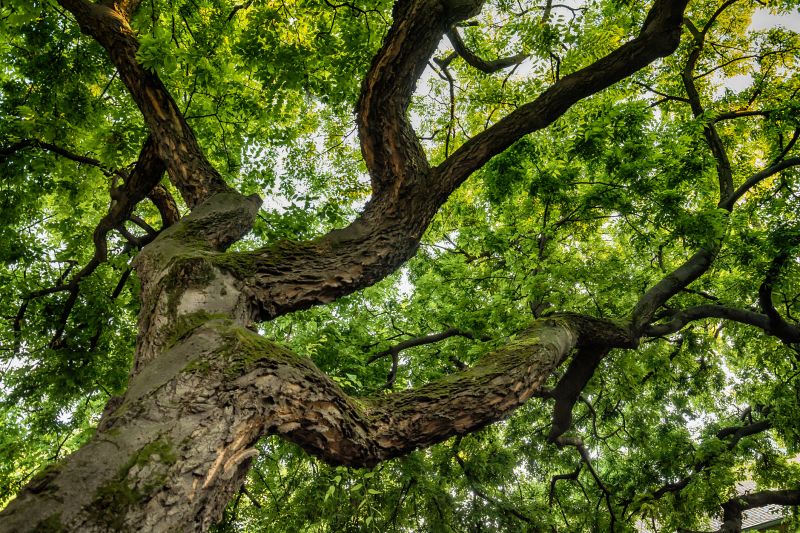
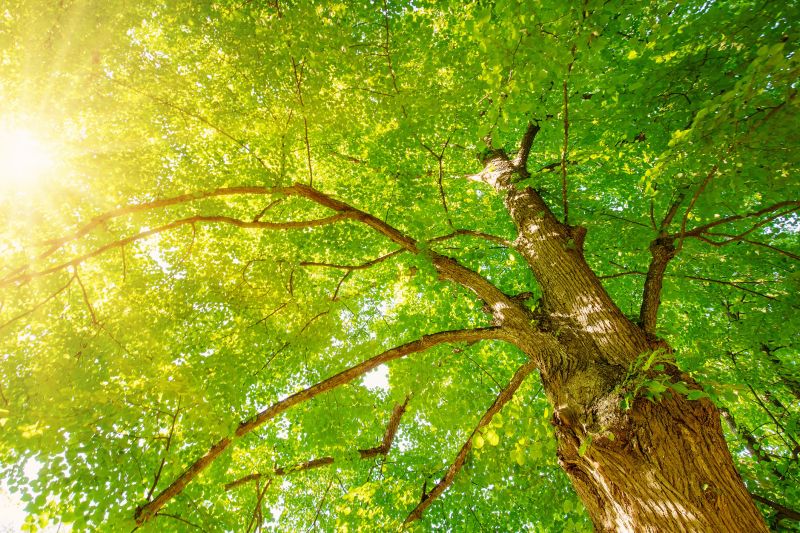
Tree crown shaping services involve carefully trimming and sculpting the upper parts of a tree to improve its overall structure and appearance. This process typically includes removing dead, damaged, or overgrown branches, as well as selectively pruning to promote healthy growth and achieve a balanced, aesthetically pleasing canopy. Skilled contractors use specialized techniques to ensure the tree remains healthy while enhancing its form, which can be particularly important for trees in residential or commercial landscapes.
This service helps address common issues such as overgrown branches that interfere with power lines, obstruct views, or pose a risk of falling. It can also reduce the likelihood of storm damage by removing weak or diseased limbs that might break off during strong winds. Additionally, crown shaping can prevent trees from becoming too dense, which improves air circulation and sunlight penetration. Regular pruning and shaping can ultimately extend the life of a tree and keep it safe for surrounding property and people.
Properties that typically benefit from crown shaping include residential yards, commercial properties, parks, and other landscaped areas with mature trees. Homeowners often seek this service to maintain the visual appeal of their property, ensure safety, and support tree health. Business owners may use crown shaping to create a welcoming environment or to comply with local regulations regarding tree maintenance. In public spaces, proper crown shaping contributes to overall landscape management and safety, making it a popular choice for property managers and municipal authorities.
Homeowners who notice overgrown, uneven, or unbalanced tree canopies, or who want to prevent potential hazards, are likely to consider tree crown shaping services. It is also beneficial for those who want to improve the overall look of their landscape or prepare their trees for seasonal weather events. Consulting with experienced local contractors can help determine whether crown shaping is appropriate for a specific tree and how it can enhance the safety and beauty of a property’s landscape.
The overview below groups typical Tree Crown Shaping projects into broad ranges so you can see how smaller, mid-sized, and larger jobs often compare in your area.
In many markets, a large share of routine jobs stays in the lower and middle ranges, while only a smaller percentage of projects moves into the highest bands when the work is more complex or site conditions are harder than average.
Smaller Crown Shaping - Typical costs range from $250-$600 for many routine crown shaping jobs on smaller trees. Most projects in this category fall within this middle range, depending on tree size and complexity.
Moderate Crown Reshaping - For more extensive crown adjustments on medium-sized trees, costs generally fall between $600-$1,200. Larger, more involved projects may push beyond this range, but many are completed within it.
Larger Tree Crown Modification - Significant reshaping or pruning of large trees can cost $1,200-$3,000 or more. These projects are less common and tend to be on the higher end of the spectrum due to complexity.
Full Crown Replacement - Complete removal and replacement of a tree’s crown can range from $3,000-$5,000+ for large or mature trees. Such projects are typically reserved for extensive work and are less frequent than routine shaping jobs.
Actual totals will depend on details like access to the work area, the scope of the project, and the materials selected, so use these as general starting points rather than exact figures.
Tree Trimming and Pruning - professionals who shape and maintain tree canopies to promote healthy growth and aesthetic appeal, similar to crown shaping techniques.
Hedge Trimming and Shaping - service providers skilled in contouring and pruning hedges, requiring precise cutting and planning akin to crown shaping work.
Landscape Tree Planting - local contractors experienced in selecting and positioning trees to ensure proper growth patterns, involving planning skills similar to crown management.
Tree Removal Services - experts who safely remove trees with complex crown structures, requiring careful planning and specialized tools comparable to crown shaping projects.
Storm Damage Tree Repair - specialists who restore damaged trees by pruning broken branches and reshaping crowns, utilizing skills similar to crown shaping.
Arboricultural Consulting - consultants who assess tree health and recommend shaping or pruning strategies, involving planning and knowledge of tree structures akin to crown shaping services.
When comparing service providers for Tree Crown Shaping, it’s important to consider their experience with similar projects. Homeowners should look for local contractors who have a proven track record in shaping tree crowns, ensuring they understand the specific techniques and considerations involved. Asking for information about previous work or examples of completed projects can help gauge a provider’s familiarity with the scope and complexity of the job. An experienced professional is more likely to deliver results that meet expectations and handle the unique aspects of each tree.
Clear, written expectations are essential for a successful outcome. Homeowners should seek providers who can articulate their approach and what the service will include. A detailed description of the work scope, methods, and any necessary follow-up helps establish mutual understanding and minimizes surprises. Having these expectations documented can also serve as a reference point throughout the project, ensuring that both parties are aligned on the goals and deliverables.
Reputable references and good communication are key indicators of a reliable local contractor. Homeowners are encouraged to request references or reviews from previous clients to gain insight into the quality of work and professionalism. Additionally, a service provider who communicates clearly and promptly demonstrates respect for the homeowner’s concerns and questions. While the site introduces homeowners to local options for Tree Crown Shaping, it’s the homeowner’s responsibility to verify these qualities directly with the service providers to find a good fit for their specific needs.
Property owners use Tree Crown Shaping services for practical projects around their homes and businesses. This guide focuses on everyday jobs and straightforward project options.

Tree crown shaping services are often needed when property owners notice overgrown or uneven canopies that disrupt the look or safety of their landscape. Local contractors can help improve the appearance of trees by carefully trimming or thinning the crown, which can also prevent branches from becoming hazards during storms or high winds. This work is common in neighborhoods where residents want to maintain a neat, attractive yard or need to address tree growth that has become unruly over time.
Homeowners may seek crown shaping to enhance sunlight exposure or airflow around their property, especially in areas where dense tree growth blocks views or light. Additionally, property managers and landscapers often turn to local service providers to help keep trees healthy and balanced, ensuring they don’t interfere with structures, power lines, or other landscape features. Connecting with experienced contractors can make it easier to find the right solution for maintaining safe and well-shaped trees.
What is tree crown shaping? Tree crown shaping involves pruning and trimming techniques to improve the structure, appearance, and health of a tree's canopy.
Why should I consider tree crown shaping? Proper crown shaping can enhance the aesthetic appeal of a property, promote healthy growth, and reduce risks from overgrown or unstable branches.
How do local contractors perform tree crown shaping? Skilled service providers use specialized tools and techniques to carefully prune branches, ensuring the tree maintains its natural form while remaining healthy.
Is tree crown shaping suitable for all types of trees? Many trees can benefit from crown shaping, but the suitability depends on the species and condition of the tree; a professional can assess this during a consultation.
What should I look for in a tree crown shaping service provider? It's important to choose experienced local contractors who follow proper pruning practices and can provide references or examples of their work.
Tree Crown Shaping for Sunlight Access - This service can help property owners improve sunlight penetration into their homes or gardens by selectively trimming and shaping tree crowns.
Enhancing Tree Aesthetics and Property Value - Proper crown shaping can enhance the visual appeal of trees, contributing to a well-maintained landscape and increased curb appeal.
Preventing Branch Damage and Property Risks - Local contractors can reshape tree crowns to remove weak or overhanging branches that pose risks to structures, vehicles, or pedestrians.
Creating Clear Pathways and Sightlines - Shaping tree crowns can improve visibility along walkways, driveways, or entry points, making outdoor spaces safer and more accessible.
If you are thinking about Tree Crown Shaping for a property, this guide is meant to help you understand the work, the typical project types, and how different options might fit your plans.
When you are ready, you can use the quote form on this page to share a few details about your project. From there, local pros can review the basics and respond with options that match what you have in mind.